
Kathmandu — Ashok Sherchan, Chief Executive Officer (CEO) of Prabhu Bank, is currently in custody of the Central Investigation Bureau (CIB) as investigations proceed into multiple complaints filed against him over the years. The case has drawn renewed attention to concerns that past actions may have influenced earlier investigations.
Sherchan, who had previously avoided legal scrutiny despite several complaints, is now under formal investigation, prompting stakeholders to question whether earlier probes were affected by undue influence. Records show that complaints against him had been registered as early as 2021, including allegations related to banking offenses and loan misuse, but investigations failed to move forward at the time.
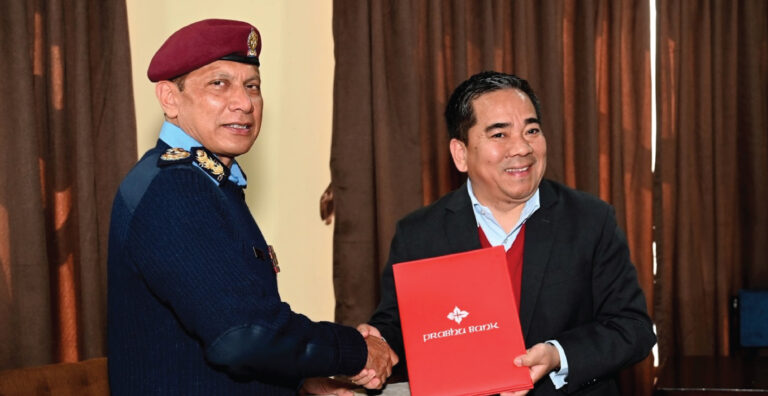
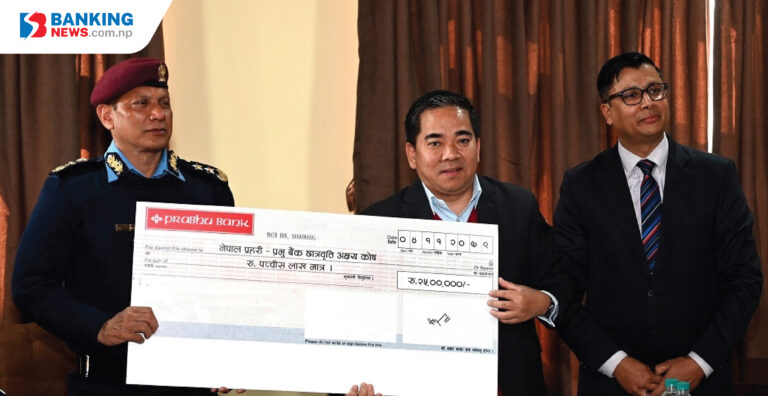
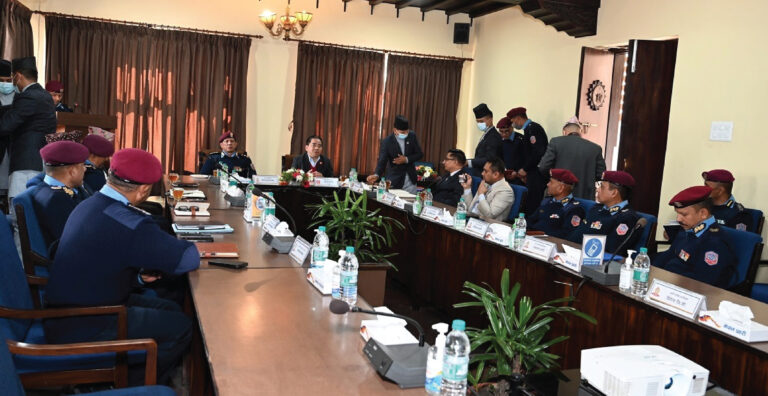
A key point of controversy is a Rs 2.5 million contribution made by Sherchan in 2022 to the Nepal Police Welfare Fund. The donation was made under the banner of establishing a scholarship endowment fund, with a formal agreement signed on behalf of Prabhu Bank. A photograph taken during the signing of the agreement has resurfaced and is now being widely discussed, with critics suggesting it symbolized a potential attempt to influence law enforcement authorities.
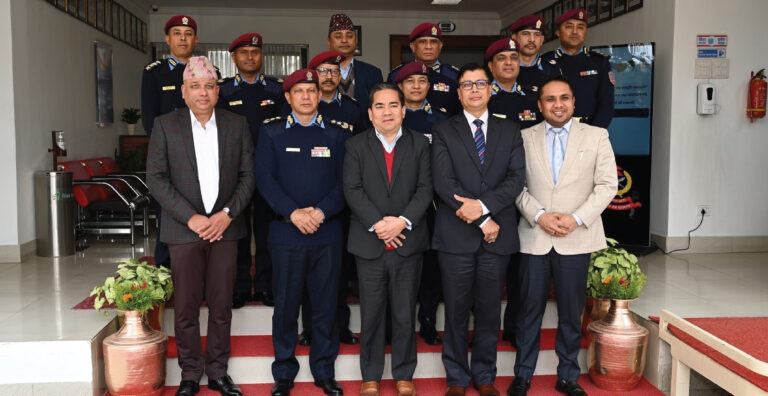
According to former senior police officials, the financial support provided by an individual under complaint to the very institution responsible for investigating those complaints may have indirectly affected the independence of earlier investigations. The funds were deposited into the account of the Police Welfare Fund under the Police Headquarters Welfare Division.
Analysts and legal observers argue that such transactions constitute a clear case of “conflict of interest.” They warn that accepting financial contributions from an accused party can undermine investigative independence and raise serious concerns over impartiality, from evidence collection to final decision-making.
With the recent change in government, the CIB has intensified action against high-profile cases, leading to Sherchan’s arrest. However, questions remain regarding how, when, and why the funds were provided, as the concerned investigative agencies have yet to issue an official clarification.
The scholarship initiative was reportedly aligned with the Nepal Police Action Plan 2022, targeting the education of children of serving, retired, martyred, and disabled police personnel studying at Nepal Police School. Despite the stated objective, the timing and context of the donation have cast doubt over its propriety.
As the investigation continues, the case has sparked broader debate on institutional integrity, conflict of interest, and the need to safeguard the independence and credibility of law enforcement and judicial processes in Nepal.

 About Us
Comment