
Banking News – The Ministry of Physical Infrastructure and Transport has invited suggestions from stakeholders to develop a comprehensive policy framework for hydrogen-powered vehicles in Nepal, aiming to ensure their safe, sustainable, and efficient development, operation, and regulation.
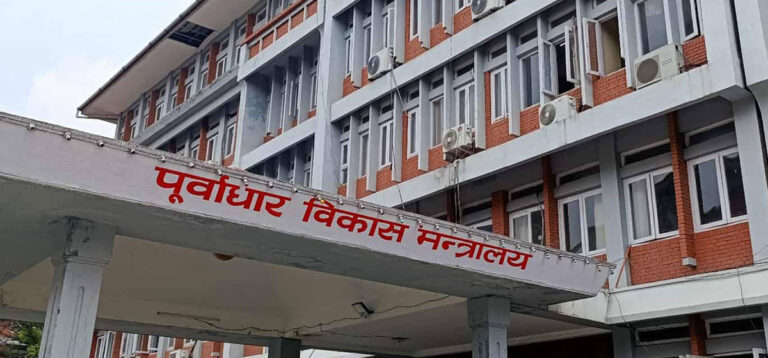
According to the ministry, the initiative seeks to establish the legal and technical foundation for hydrogen mobility by incorporating international best practices, regulatory frameworks, safety standards, technical guidelines, and recommendations on workforce development required for adopting hydrogen technology.
The ministry has called on universities, research institutions, professional organizations, industries, development partners, international agencies, and other relevant stakeholders to submit written recommendations based on their experience, research, and practical expertise.
Stakeholders have also been requested to provide inputs on global best practices related to hydrogen-powered transportation, including policy and regulatory frameworks, hydrogen production, storage, transportation, distribution, refuelling infrastructure, vehicle operation, and safety standards.
In addition, the ministry has sought recommendations on the feasibility of converting existing vehicles to hydrogen technology, including the technical requirements, costs, safety considerations, and regulatory measures necessary for such a transition.
Suggestions are also being invited on capacity building and human resource development, particularly for technical professionals, regulatory agencies, emergency responders, and rescue services.
The ministry stated that all submissions will be reviewed and analyzed before being incorporated, where appropriate, into the drafting of hydrogen vehicle policies, legal provisions, standards, and operational guidelines. Stakeholders have been requested to submit their recommendations by Shrawan 20, 2083 BS.
Nepal has already taken initial steps toward hydrogen energy development. The Ministry of Energy, Water Resources and Irrigation prepared a Green Hydrogen Policy in 2023 (2080 BS), while Kathmandu University established a Green Hydrogen Laboratory in 2020 (2077 BS) to study the technology’s potential and applications.
The government’s Fiscal Year 2022/23 (2079/80 BS) Budget Statement also outlined plans to promote the commercial use of hydrogen energy in the country’s energy, transportation, and industrial sectors. It further proposed advancing the establishment of a chemical fertilizer plant using green hydrogen and green ammonia technologies through the Investment Board Nepal, laying the foundation for Nepal’s hydrogen energy strategy.

 About Us
Comment