
Banking News – The Nepal Pediatric Society (NEPAS) has urged not to seek alternatives to breast milk during natural disasters and emergencies, stating that breast milk is the best and safest food for infant nutrition and health protection. The Society has stated that breast milk substitutes should be used only in certain special and sensitive situations where breastfeeding is completely impossible, and only on the advice of health workers.
Issuing official recommendations on “Management of Children During Disasters,” the Society stated that family and community support is necessary to continue breastfeeding even in such situations. According to NEPAS, breast milk substitutes (formula milk or canned milk) should be used only when breastfeeding is completely impossible and with proper advice from health workers.
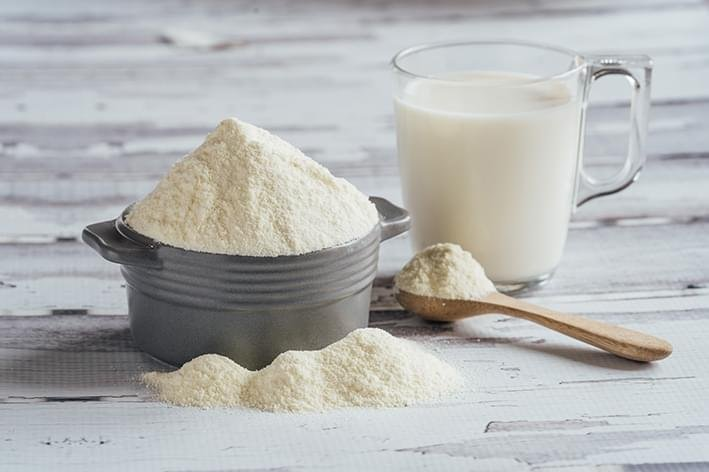
According to the Society, breast milk substitutes can be used in situations including the death or disappearance of the mother, prolonged separation of mother and child, the mother’s health condition being extremely critical and unable to breastfeed, or the mother suffering severe mental trauma and being unable to breastfeed.
Similarly, the Society has recommended that breast milk substitutes can be used if the mother was already using a breast milk substitute before the disaster, if the mother or infant is unable to breastfeed or receive breast milk for medical reasons, if breastfeeding is not possible, and if a wet nurse (another woman who can breastfeed) is not available.
When using breast milk substitutes, the Society stated that the substitute must be continuously and adequately available, safe water and proper sanitation arrangements must be ensured, a mechanism must exist for regular monitoring of the infant’s growth, development, and health, and this facility must be provided as support targeted only at infants with extreme need.
Dr. Ramhari Chapagain, Vice President of the Society and a pediatric specialist, urged not to engage in activities that take advantage of emergency situations and seriously affect infant health. He stated that breast milk substitutes should not be distributed generally, and distribution of bottles and feeding bottles should be prohibited. He clarified that no action should be taken that weakens or discourages breastfeeding practices. The Society has urged all concerned parties to fully comply with the Breast Milk Substitutes (Control of Marketing) Act, 2049 and national policies on emergency infant and young child nutrition.

 About Us
Comment