
Banking News — Demand for Diammonium Phosphate (DAP) fertilizer has been steadily increasing in Palpa District, while the consumption of urea fertilizer has gradually declined over the past three fiscal years, according to data from Agricultural Inputs Company Limited.
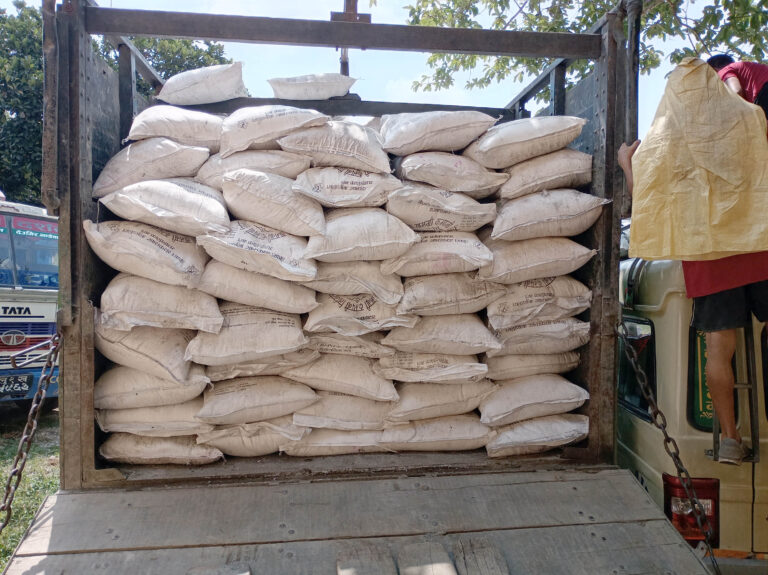
According to branch manager Srijana Pandey, the district requested 2,000 metric tons of urea in the fiscal year 2080/81 BS, of which 1,291.95 metric tons were consumed. During the same period, 600 metric tons of DAP were requested, while actual consumption reached 637.70 metric tons. Potash demand stood at 125 metric tons, with 92.65 metric tons consumed.
In the fiscal year 2081/82 BS, demand for urea remained at 2,000 metric tons, but consumption declined to 1,186 metric tons. DAP demand remained at 600 metric tons, with consumption again reaching 637 metric tons, while potash consumption totaled 92 metric tons against a demand of 150 metric tons.
For the current fiscal year 2082/83 BS, demand for DAP has increased significantly to 1,000 metric tons. However, supply has fallen short of demand, with only 571 metric tons delivered so far, of which 436 metric tons have already been distributed.
Meanwhile, demand for urea this fiscal year was set at 1,500 metric tons. The branch has received 1,288 metric tons, with 1,260 metric tons already sold. Of the 150 metric tons of potash requested, 110 metric tons have been supplied, while 83 metric tons have been distributed.
Pandey said farmers’ preference for DAP has grown in recent years because it is primarily applied during the early stages of paddy transplantation. Urea, by contrast, is mainly used during the crop growth stage, resulting in different demand patterns throughout the farming season.
She also noted that increased awareness of balanced fertilizer use has contributed to a reduction in excessive urea application. In parts of Palpa, particularly the Madi Valley, farmers traditionally use green manure such as dhaincha, which improves soil quality and crop productivity, reducing the need for urea in paddy cultivation.
Fertilizers in the district are distributed through registered cooperatives across all ten local governments after receiving recommendations from the respective local authorities.

 About Us
Comment