
Banking News — The Nepal National Federation of Entrepreneurs has urged Nepal Rastra Bank (NRB) to place greater emphasis on making Nepal’s digital payment system more organized, secure, and efficient in the upcoming Monetary Policy for Fiscal Year 2083/84 (2026/27).
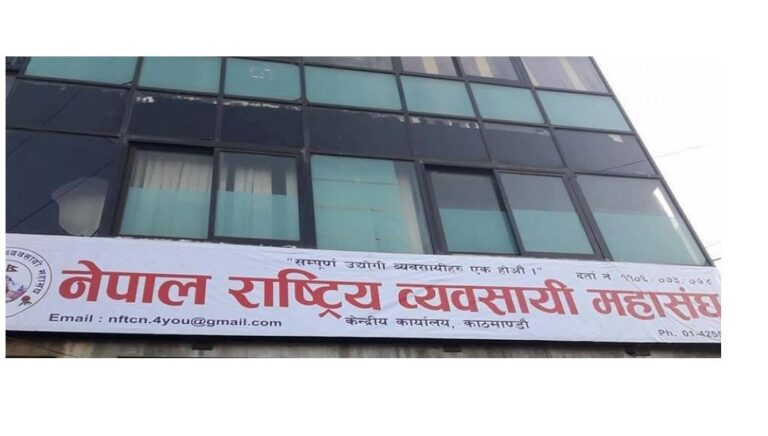
Submitting its recommendations to the central bank, the federation said digital payment infrastructure in both the public and private sectors should be further strengthened to support economic growth and improve the business environment.
The federation acknowledged that Nepal Rastra Bank has made significant improvements in policies related to Foreign Direct Investment (FDI). However, it suggested simplifying procedures by allowing investors to transfer up to 10 percent of their committed FDI amount into designated accounts without requiring prior approval.
According to the federation, once at least 10 percent of the committed investment has been deposited, investors should be permitted to begin project implementation. It stressed that since these procedures fall under the jurisdiction of Nepal Rastra Bank, the central bank should introduce measures to make the process more efficient.
The federation also highlighted the importance of supporting investment in the agriculture and tourism sectors, noting that these industries should not be evaluated solely on short-term profitability.
It argued that tourism contributes far beyond the hospitality business by creating employment opportunities, supporting agricultural production, and generating demand for a wide range of locally produced goods and services.
“Tourism consumes the output of many sectors while also generating foreign currency earnings through international visitors,” the federation noted, adding that easier access to foreign currency transactions would further benefit the industry.
The organization also called for reducing excessive documentation requirements and expanding digital services to simplify administrative procedures for businesses.
In addition, it recommended establishing a joint monitoring mechanism involving banks, entrepreneurs, and the private sector to facilitate startup financing and project-based collateral lending, stating that such collaboration could help revive Nepal’s slowing economy.

 About Us
Comment