
Banking News – Fintech software companies operating in Nepal are still not regulated by Nepal Rastra Bank (NRB), despite playing an increasingly critical role in the country’s digital financial ecosystem, according to Manoj Ghimire, CEO of Rara Labs.
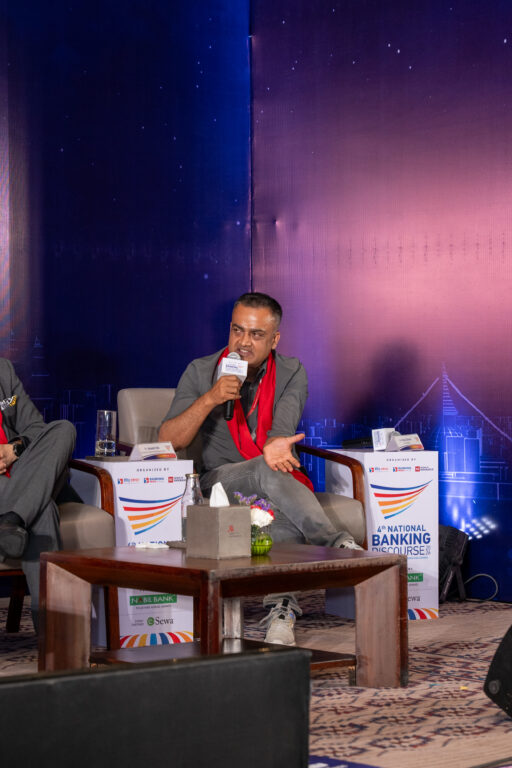
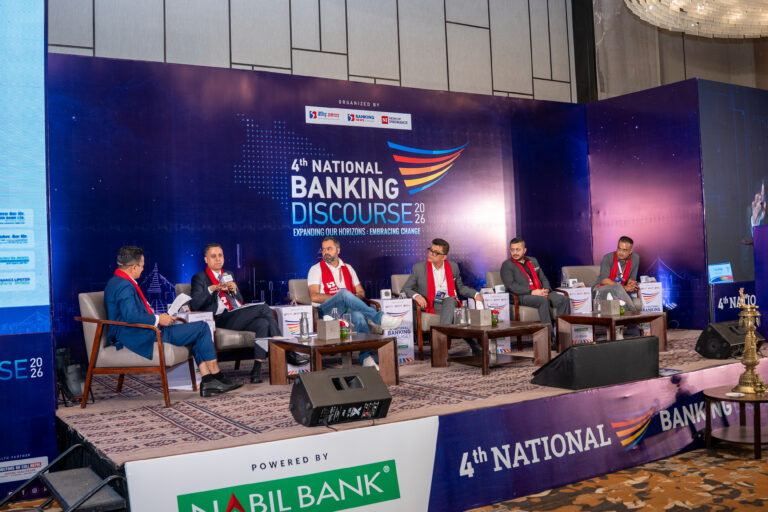
Speaking during the fourth session of the National Banking Discourse 2026, titled “The Future of Banking: AI, Cybersecurity and FinTech,” Ghimire said fintech software developers currently operate outside the central bank’s regulatory oversight, with limited direct supervision from regulatory authorities.
He noted that Nepal’s fintech industry has reached a stage where companies capable of successfully serving the domestic market are also well-positioned to expand internationally. Ghimire said Nepali firms have competed successfully against global technology giants, including Tata Consultancy Services (TCS), by delivering ledger and financial software solutions.
Highlighting the importance of cybersecurity in financial technology, Ghimire said software developers prioritize security throughout the development lifecycle. Authentication, authorization and comprehensive security assessments are integrated into software design, particularly for applications handling financial transactions, payment systems and personally identifiable information (PII).
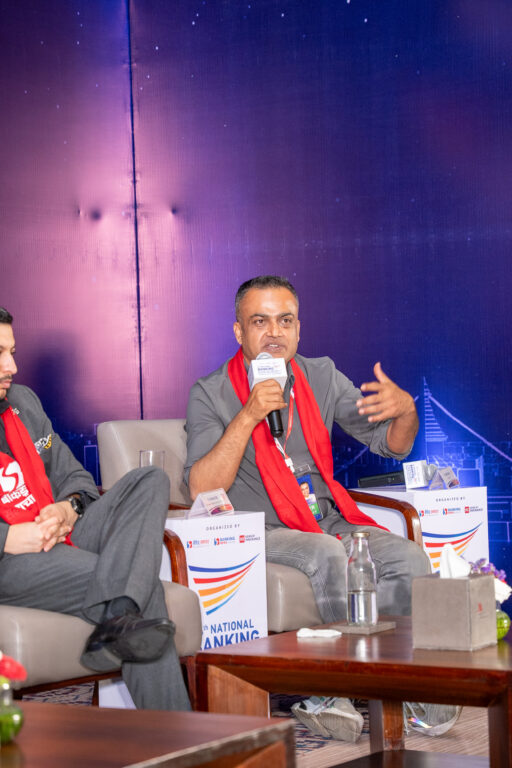
He explained that fintech companies developing payment-related software often obtain internationally recognized security certifications such as PCI-DSS and PCI-SSF, while independent third-party auditors verify that the systems meet global security and compliance standards before deployment.
Ghimire noted that cybersecurity development in Nepal began gaining momentum around 2008 and said the country’s growing pool of technology talent has significant potential to compete in international fintech markets.
He also emphasized that no software system can ever be considered completely immune to cyberattacks. Even globally trusted operating systems continue to reveal vulnerabilities years after their release, demonstrating that cybersecurity is an ongoing process rather than a one-time achievement.
Discussing the growing role of artificial intelligence, Ghimire said AI is rapidly transforming both business operations and financial technology. He pointed out that digital banking is changing traditional audit practices, making real-time auditing increasingly necessary as financial transactions become faster and more automated.
“The way we work is changing,” he said, adding that the future capabilities of artificial intelligence are evolving so rapidly that it is difficult to fully predict what will be possible in the coming years.
His remarks were delivered during the National Banking Discourse 2026, where banking executives, fintech leaders and policymakers discussed the future of banking, artificial intelligence, cybersecurity and financial technology in Nepal.

 About Us
Comment