
Banking News – Nepal’s banking sector has called for policy measures that provide relief to both borrowers and financial institutions, saying such reforms are essential to revive credit growth and support the country’s economic recovery.
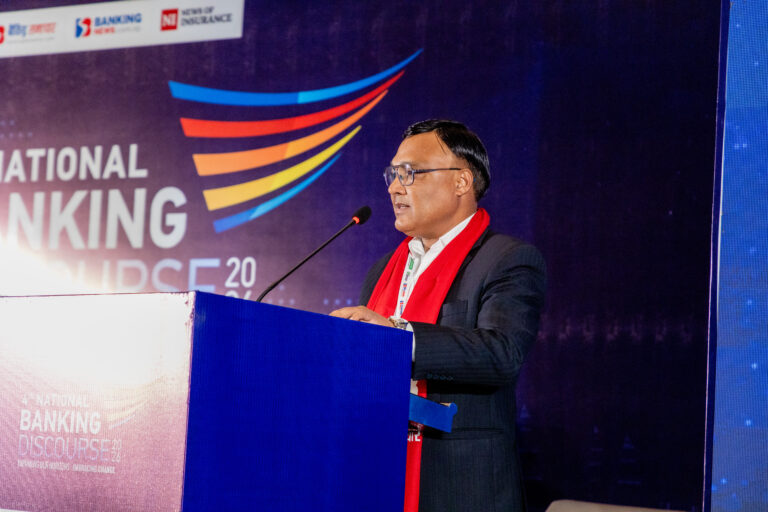
Speaking at the fourth edition of the Banking Discourse, representatives of the Nepal Bankers’ Association said the country’s banking system remains financially strong despite slowing loan demand and rising excess liquidity.
Strong Liquidity, Weak Credit Demand
According to the association, Nepal’s banking sector currently mobilizes around NPR 80 trillion in financial resources and has extended approximately NPR 59 trillion in loans, reflecting its significant contribution to the country’s economic development.
Nepal’s external economic indicators also remain encouraging. Foreign exchange reserves have reached a record high of nearly USD 24 billion, while several other macroeconomic indicators continue to remain stable.
However, the banking system is currently holding around NPR 1.3 trillion in excess liquidity, indicating that banks have sufficient funds but are struggling to expand lending.
Although the central bank had projected 12 percent credit growth under the current monetary policy, actual loan expansion has reached only about one-third of that target.
The slowdown has been attributed to factors including political uncertainty, public movements, elections, and the prolonged impact of the COVID-19 pandemic.
Asset Management Company Welcomed
The association welcomed the government’s decision, announced in the national budget, to establish a National Asset Management Company with special legal authority by mid-January.
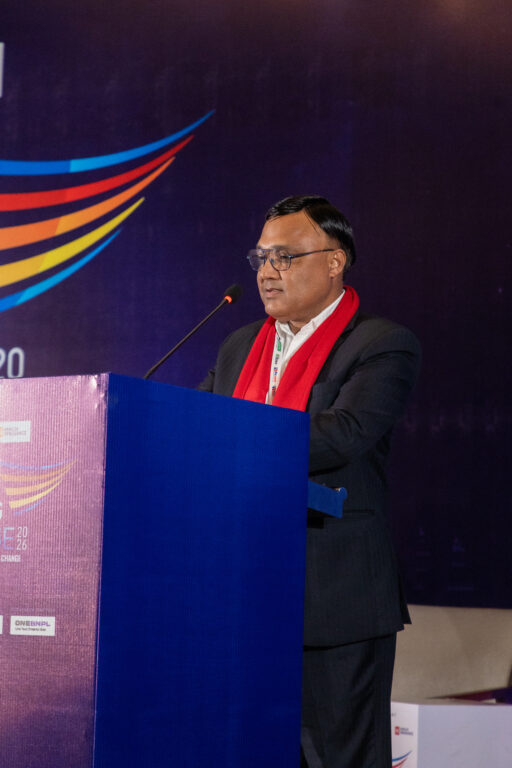
According to the speaker, the proposed institution could help financial institutions manage their growing stock of non-banking assets and strengthen the overall banking system.
However, the association stressed that the company should be established only after thorough consultation with all stakeholders to ensure an effective legal and operational framework.
Legal Reforms Needed
The banking sector also welcomed the government’s commitment to amend the Banks and Financial Institutions Act (BAFIA) and the Banking Offences Act.
The speaker said revisions are necessary to ensure bankers can perform their duties confidently under a modern legal framework.
He urged policymakers to draft the amendments through broad consultation with banks, regulators, and other stakeholders so that the new laws effectively address the concerns of all parties.
Digital Finance Making Progress
The association also highlighted recent progress in digital finance, noting that the government has included provisions to facilitate peer-to-peer (P2P) lending.
Cross-border digital payment services between Nepal and India have also begun operations through several commercial banks, with more financial institutions expected to join in the near future.
Monetary Policy Should Support Economic Recovery
Looking ahead to the upcoming monetary policy, the Nepal Bankers’ Association urged the central bank to introduce measures that provide relief to both borrowers and banks.
The speaker said Nepal’s economy has taken longer than expected to recover from the COVID-19 pandemic despite various regulatory support measures introduced over recent years.
He added that future monetary policy should encourage investment, restore credit demand, and improve confidence among businesses and borrowers.
The association also called for broader discussions on mobilizing financial resources more effectively to help reduce Nepal’s persistent trade imbalance between imports and exports.

 About Us
Comment